

Portable cabins and static caravans are often confused, as both provide enclosed space without requiring permanent construction. They can be delivered ready to use and, at first glance, may seem to serve a similar purpose. The difference lies in what they are designed to do.
Portable cabins are built for practical working environments such as offices, welfare units, classrooms or site accommodation. Static caravans are designed for residential or leisure use, where comfort and living space are the main priorities. For commercial and site use, portable cabins are generally the more suitable option.
That distinction matters because the right choice depends on how the space will be used. A structure designed for living will not always suit a working site, just as a cabin built for operational use will not offer the same layout or features as a residential unit. Understanding this early makes it easier to choose a space that fits the job properly.

What is a Portable Cabin?
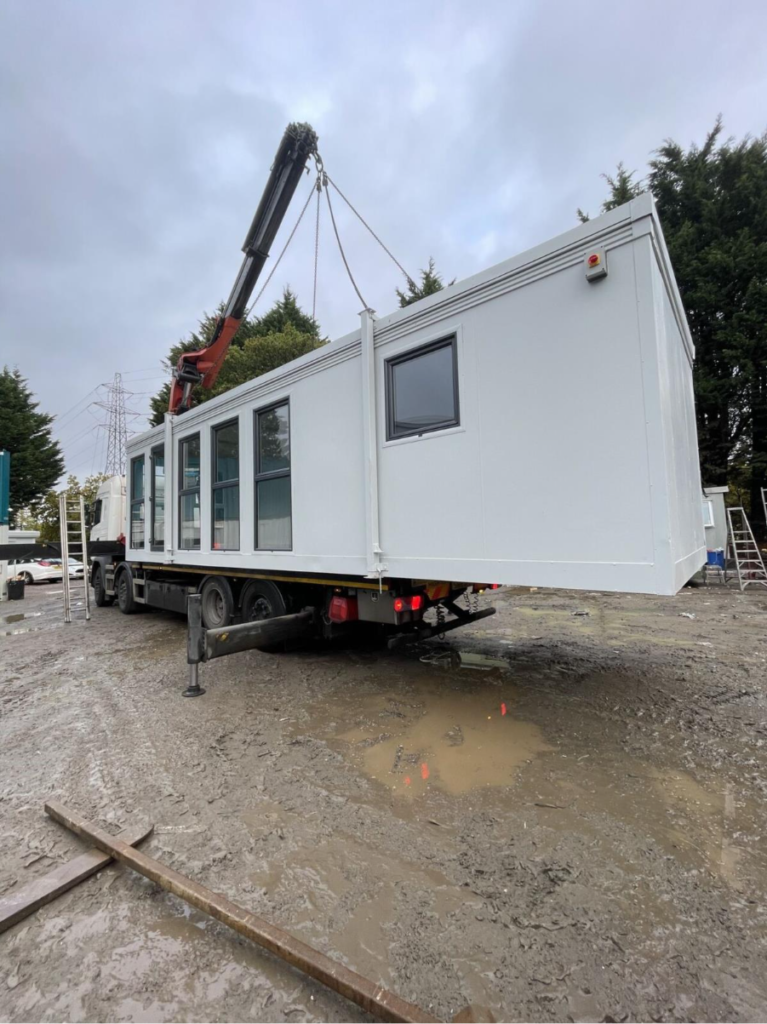
A portable cabin is a practical structure designed for operational use. It provides an enclosed space that can be installed quickly and used for offices, welfare facilities, storage or day-to-day site management without the need for permanent construction.
A portable office cabin is typically used where teams need a reliable workspace on site. It supports planning, administration, meetings and general coordination in a more controlled environment than open or temporary setups. A portable site office serves a similar purpose, particularly on construction and infrastructure projects where the workspace may need to move as the project develops.
Construction is a key part of their value. Most cabins are built with durable steel frames and insulated panels that help them withstand frequent use, changing weather and the demands of active work environments. They are widely used across the portable buildings in the UK, offering a dependable and flexible solution for businesses that need practical space quickly.
What is a Static Caravan?
A static caravan is designed primarily for residential or leisure use. It provides a fixed living space that is usually kept in one location for long periods, often in holiday parks or semi-permanent accommodation settings. The focus is on comfort rather than operational flexibility.
This is reflected in the layout. Static caravans are arranged for sleeping, living and day-to-day domestic use. While they can offer shelter and basic conveniences, they are not designed around the demands of meetings, administration or site coordination.
This is where the difference becomes clear. Unlike cabins used as offices or portable office buildings, a static caravan is not built to support the pace, structure or practical needs of a commercial workspace.
Key Differences That Matter in Practice
The difference between a portable cabin and a static caravan becomes clearer when viewed through everyday use rather than initial appearance. Key aspects include:
- Purpose and function: A portable office cabin is designed for work. It supports desks, equipment, meetings and movement, allowing teams to operate efficiently within a defined space. A static caravan is designed for living, and outside that purpose, it can feel restrictive rather than supportive.
- Structural design and durability: Portable cabins are designed to handle ongoing use in demanding environments. Their materials and build quality allow them to perform consistently across varying conditions. Static caravans are not built with the same expectations, which can affect durability and usability in commercial settings.
- Mobility and flexibility: Movement is an integral part of portable cabins. A portable site office can be repositioned as a project develops, keeping the workspace aligned with operations. Static caravans are typically fixed in place and not designed for regular relocation, limiting their flexibility.
- Adaptability over time: As projects evolve, so do spatial requirements. Portable cabins can expand into larger configurations, integrate with modular buildings or work alongside container conversions. Static caravans remain largely unchanged, making them less practical as needs grow.
Which is Better for Commercial Projects?
In a working environment, the space needs to support more than basic shelter. A well-planned site office cabin provides a structured setting where teams can organise work, hold discussions and manage daily operations effectively.
This is where portable cabins demonstrate clear value. Whether used as temporary office cabins or as part of a wider site setup, they are designed for regular operational use. They handle changing conditions, repeated use and the practical demands of commercial work far more effectively than a structure intended for residential comfort.
This is also why many businesses see a portable cabin for sale as a longer-term investment rather than a short-term solution. The right cabin can perform across multiple projects, support continuity and reduce the need for frequent replacement. Static caravans may suit accommodation well, but they are not designed for the pace or structure of a working environment.
Choosing a Space That Works as Hard as You Do
The right choice is the one designed for the job it needs to do. If the space is meant to support meetings, coordination, administration or day-to-day site activity, it makes sense to choose a solution built specifically for operational use rather than adapting one designed for living.
This is where modular buildings and well-built prefabricated cabins offer clear value. They are designed to support working environments with the layout, durability and practicality that commercial use demands.
Halletts Spaces supplies portable and modular workspace solutions for businesses across the UK. We help customers choose structures suited to real operational needs. Contact us to explore the right option for your project.


